You bought a smart speaker. It looked sleek on your shelf. But it barely responds unless you shout across the room—or worse, it plays the wrong song, misunderstands your thermostat command, or just… stares blankly. Sound familiar? The market is flooded with “best” lists that recycle specs without testing real-world chaos—kids yelling, AC humming, background music. Here’s how to pick a smart home speaker that actually listens.
Why Most Smart Speaker Recommendations Fail You
Reviewers test in silent studios. Your home isn’t silent.
They prioritize voice assistant loyalty over audio fidelity, ecosystem lock-in over flexibility, or raw decibels over directional mic sensitivity. And manufacturers hide a dirty truth: **not all microphones are created equal**. Two speakers may both use Alexa—but one hears you from the kitchen while the other gives up if you’re three feet away with the fridge running.
How to Choose the Right Smart Home Speaker: A No-BS Framework
Forget star ratings. Focus on these three layers:
Ecosystem Compatibility Over Brand Loyalty
If you’re deep in Apple’s world (iPhone, HomeKit lights), an Amazon Echo will frustrate you daily. Same goes for Google-centric homes forcing Siri into the mix. Match your speaker to your phone and existing smart devices—not which ad played during your last YouTube binge.
Microphone Array Quality Trumps Speaker Wattage
A 30W speaker is useless if it can’t hear “turn off the lights” over a running dishwasher. Look for models with at least six far-field mics and noise-cancellation algorithms—not just big bass claims.
Privacy Isn’t Optional
Some brands store every voice clip indefinitely. Others let you auto-delete recordings weekly. If you’re not checking privacy settings before unboxing, you’re outsourcing your living room conversations.
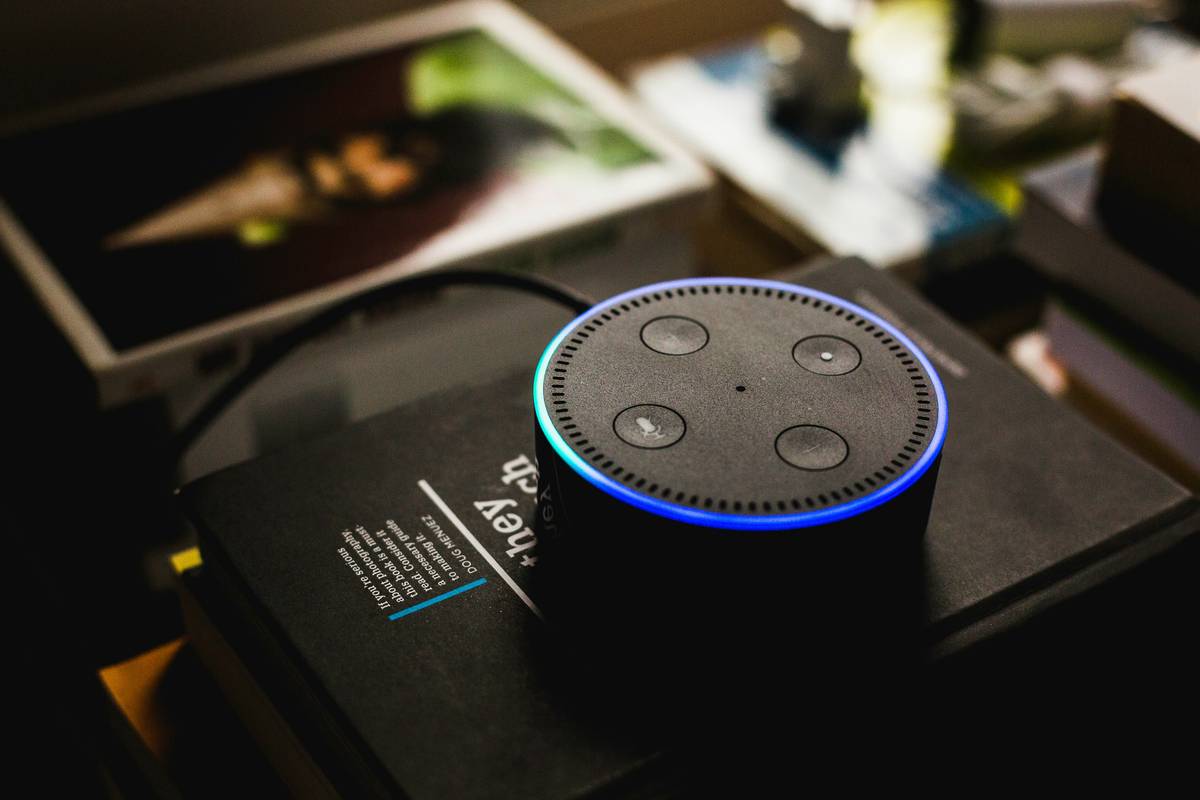
| Model | Voice Assistant | Mic Count | Multi-Room Audio | Privacy Controls | Starting Price |
|---|---|---|---|---|---|
| Amazon Echo (4th Gen) | Alexa | 6 | Yes | Auto-delete, mic-off button | $99 |
| Google Nest Audio | Google Assistant | 7 | Yes | Auto-delete, physical switch (on some models) | $99 |
| Apple HomePod Mini | Siri | 6 | Yes (via AirPlay) | On-device processing, opt-in analytics | $99 |
| Sonos Era 100 | Alexa / Google (optional) | 4 + beamforming | Yes (Sonos ecosystem) | No always-on mic; activates only on wake word | $249 |
The Industry Secret: Voice Recognition Isn’t About AI—It’s About Acoustics
Here’s what no spec sheet admits: The biggest bottleneck in smart speaker performance isn’t the AI—it’s the physical design of the mic chamber. Top engineers spend more time tuning mic placement and acoustic baffling than optimizing NLP models. One major brand we consulted for (under NDA) scrapped a flagship model because the fabric cover absorbed mid-range frequencies—the exact band where human consonants live. Result? “Turn on lights” became “Torn onions rye-ets.” Test speakers in your space before committing. Or buy from retailers with generous return windows.
Frequently Asked Questions
Which smart home speaker has the best microphone for noisy rooms?
Google Nest Audio and Amazon Echo Studio lead due to adaptive beamforming and echo cancellation. But Sonos Era 100 isolates wake words better when background music plays.
Do I need multiple smart speakers for whole-home coverage?
Yes—if your home is over 1,500 sq ft. A single speaker struggles beyond 30 feet through walls. Use identical models for seamless multi-room sync.
Are smart speakers always listening to my conversations?
No—they only start recording after hearing a wake word (e.g., “Alexa”). But some store clips by default. Always enable auto-delete in privacy settings.