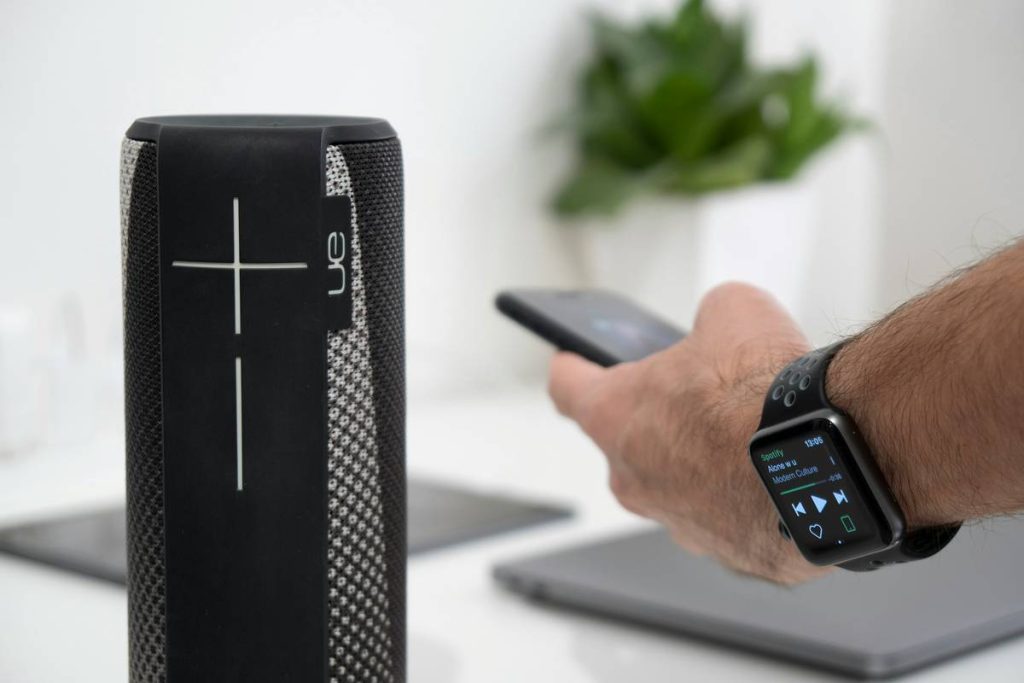
You bought a smart speaker. It sits on your counter—silent, ignored, or worse, misunderstood. Voice commands fail. Music cuts out. Privacy settings feel like a maze. The promise of effortless control evaporates faster than morning coffee steam. Here’s the fix: not all smart home speakers are built equal. And “smart home speakers helpful” isn’t about flashy ads—it’s about reliability, privacy, and seamless integration that just works.
Why Most Smart Speakers Become Expensive Paperweights
Manufacturers sell you on voice assistants, not real-world usability. Alexa might order toothpaste—but can it dim the lights without triggering your neighbor’s playlist? Google Assistant answers trivia flawlessly—yet stumbles parsing “turn off the kitchen lights” if you’re cooking loudly. And Apple’s ecosystem? Locked down tighter than a vault unless you own five other Apple devices.
The core issue? Fragmented compatibility. Your smart bulb uses Zigbee. Your thermostat speaks Z-Wave. Your speaker only understands Wi-Fi. Chaos ensues. You end up juggling three apps anyway—defeating the whole point.
How to Choose Smart Home Speakers That Are Actually Smart Home Speakers Helpful
Forget specs sheets. Focus on these three filters:
Match Your Existing Ecosystem—Not the Hottest Brand
If you’re deep in Google Home, don’t flirt with Echo. Stick to what talks natively to your gear. Same for HomeKit users. Cross-platform bridges exist—but they add lag, failure points, and headaches.
Prioritize Local Processing Over Cloud Reliance
Speakers that process basic commands locally (like turning off lights) work faster and respect privacy. Cloud-dependent ones? Every “Hey Google” ping goes to a server farm. Ask: Does this device function during internet outages? If not, skip it.
Check Real-World Mic Performance
Specs lie. User reviews don’t. Search Reddit threads titled “[Brand] + noisy kitchen.” Look for complaints about missed wake words during TV playback or vacuuming. A speaker that hears you over background noise is worth double the price.
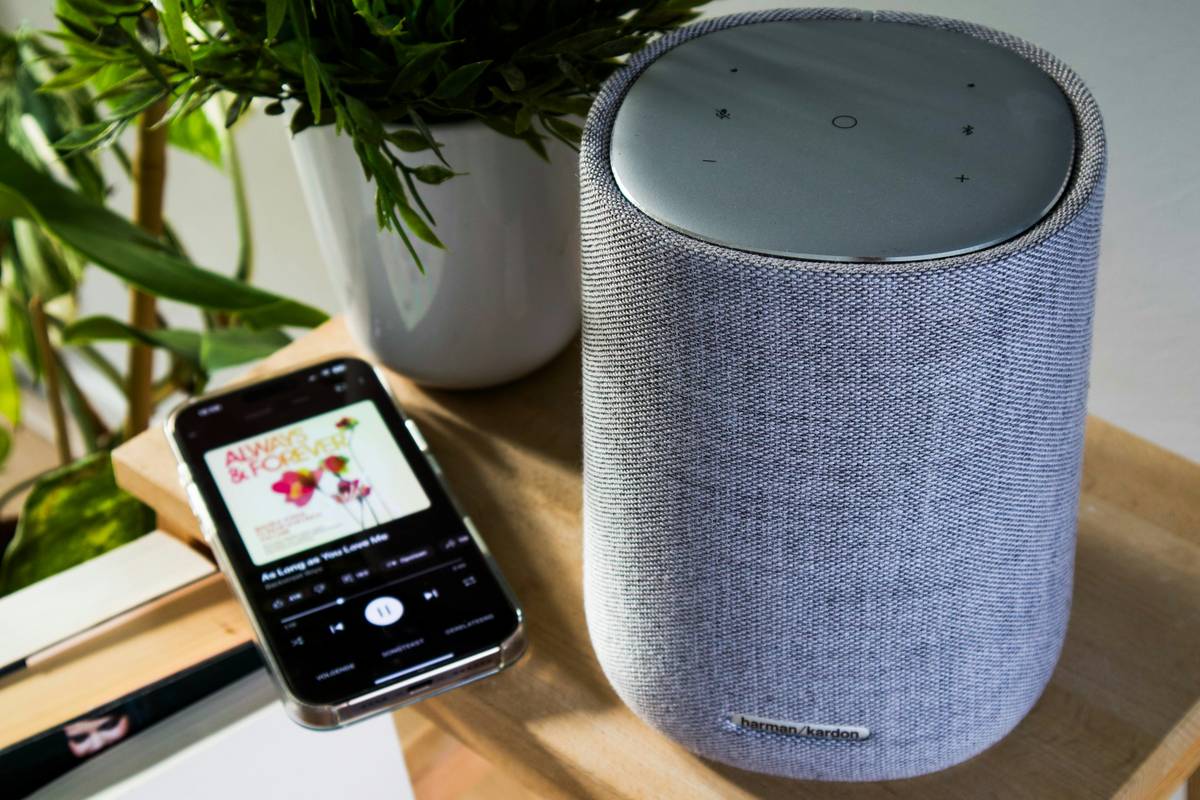
| Speaker Model | Ecosystem Fit | Local Voice Control? | Avg. Real-World Price | Best For |
|---|---|---|---|---|
| Amazon Echo (4th Gen) | Alexa / Amazon-centric homes | Limited (requires routines) | $99 | Broad skill library, budget buyers |
| Google Nest Audio | Google Home / Android users | No | $99 | Voice search, Chromecast integration |
| Apple HomePod Mini | HomeKit / iOS households | Yes (for HomeKit devices) | $99 | Privacy-focused Apple loyalists |
| Sonos Era 100 | Multi-platform (Alexa/Google optional) | Partial (via AirPlay 2/HomeKit) | $249 | Audiophiles needing flexibility |
The Industry Secret: Most Brands Don’t Care About Long-Term Support
Here’s an uncomfortable truth—vendors often abandon firmware updates after 18 months. Your “future-proof” speaker becomes a security risk. But—and this is critical—Sonos and Apple offer multi-year update commitments publicly. Amazon? Silent. Google? Unpredictable.
One internal engineer (who asked to stay anonymous) told me: “We optimize for launch-day demos, not Day 548.” So check the manufacturer’s published support lifecycle policy before buying. No policy? Assume 2 years max. That changes everything.

FAQ
Are cheap smart speakers worth it?
No—if you need actual smart home control. Sub-$50 models lack mic quality and update support. They’re fine for music-only use, but not as hub devices.
Do I need a separate hub for smart speakers?
Only if using Zigbee or Z-Wave devices. Newer Echos include Zigbee radios. Nest Audio does not. HomePod Mini requires a Thread border router (like an Apple TV).
Can smart speakers work offline?
Limited functions, yes. HomePod Mini controls HomeKit lights without internet. Echo and Nest Audio lose nearly all functionality offline. Always verify local control specs first.