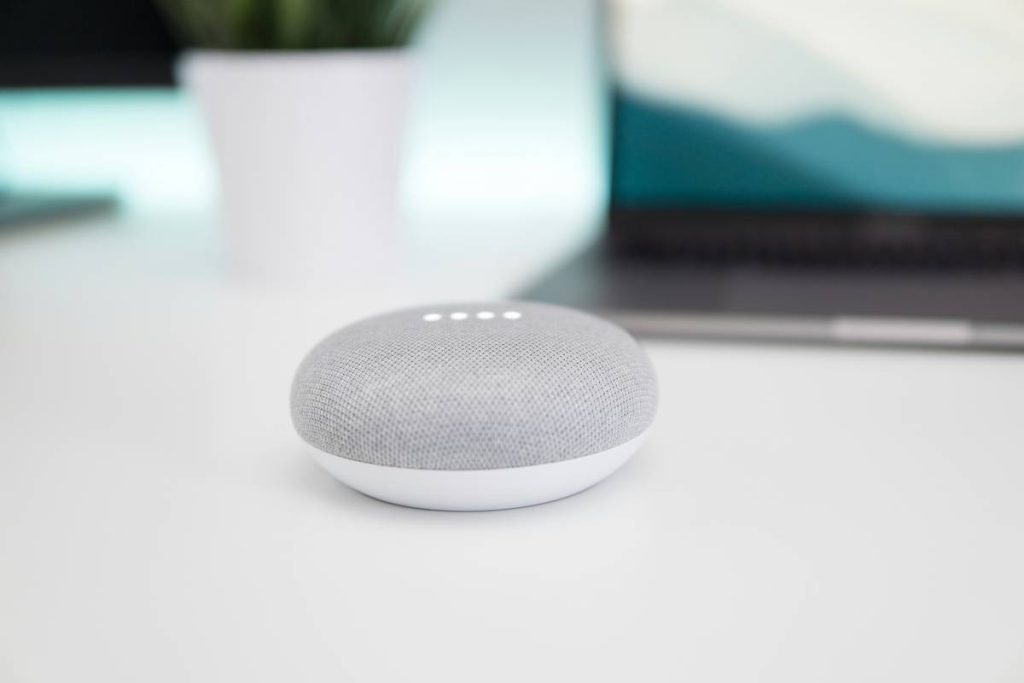
Most people think owning a smart speaker makes them “smart.” It doesn’t. They buy Alexa or Google Nest, bark orders like “play jazz” or “turn off lights,” and assume they’ve entered the future. But real intelligence isn’t about commanding devices—it’s about designing an ecosystem that anticipates needs before you speak. If your speaker only responds, not predicts, you’re using a fancy remote—not a smart assistant.
Why “Just Talking” Isn’t Enough
Smart speakers fail when treated as command-line interfaces for your living room. You say “good morning,” it reads the weather—and nothing changes in your behavior, habits, or home efficiency. The problem? Most users never configure routines beyond surface-level automation. And manufacturers encourage this—they ship defaults that feel clever but lack depth.
Here’s the reality: voice recognition is table stakes now. What separates a truly smart setup from noise? Context awareness. Your speaker should know you leave for work at 7:45 a.m., dim lights when sunset hits, and mute itself during Zoom calls—without being told each time. That’s not sci-fi. It’s possible today—if you move past basic setups.
How to Be a Smart Speaker: A Practical Blueprint
Becoming a smart speaker user isn’t about buying more gear. It’s about intentional design. Think like a conductor—not a dictator.
Step 1: Map Your Daily Triggers
Forget “Hey Google.” Start with silence. Track your routine for three days. When do you brew coffee? Leave the house? Feel overwhelmed? These are trigger points where automation should activate—not voice commands.
Step 2: Build Cross-Platform Routines
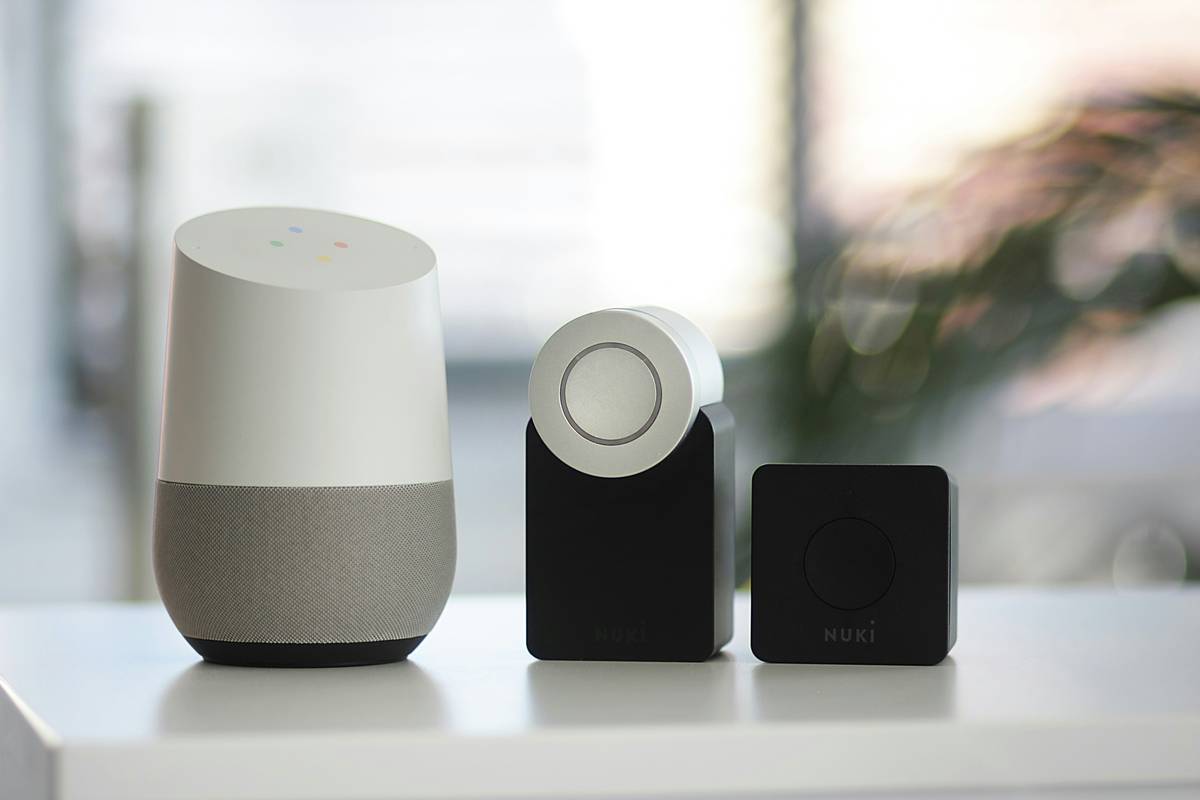
Never rely on one brand’s ecosystem. Google Works with Philips Hue but stumbles with Ecobee. Apple HomeKit ignores most budget sensors. Use IFTTT or Home Assistant as middleware. Yes—it’s technical. But that’s where real control lives.
Step 3: Prioritize Privacy Over Convenience
Turning off microphone access during bedtime isn’t paranoid—it’s prudent. Disable cloud logging. Use local-only commands where possible. A truly smart system respects boundaries, not just performs tricks.
| Approach | Setup Time | Privacy Level | Adaptive Intelligence |
|---|---|---|---|
| Default Vendor Routines (e.g., Alexa Routines) | 10 minutes | Low (cloud-dependent, data shared) | None—reactive only |
| IFTTT + Multi-Brand Devices | 1–2 hours | Medium (limited cloud exposure) | Limited—time/context-based |
| Home Assistant + Local Sensors | 4–8 hours | High (runs on local network) | High—learns patterns over time |
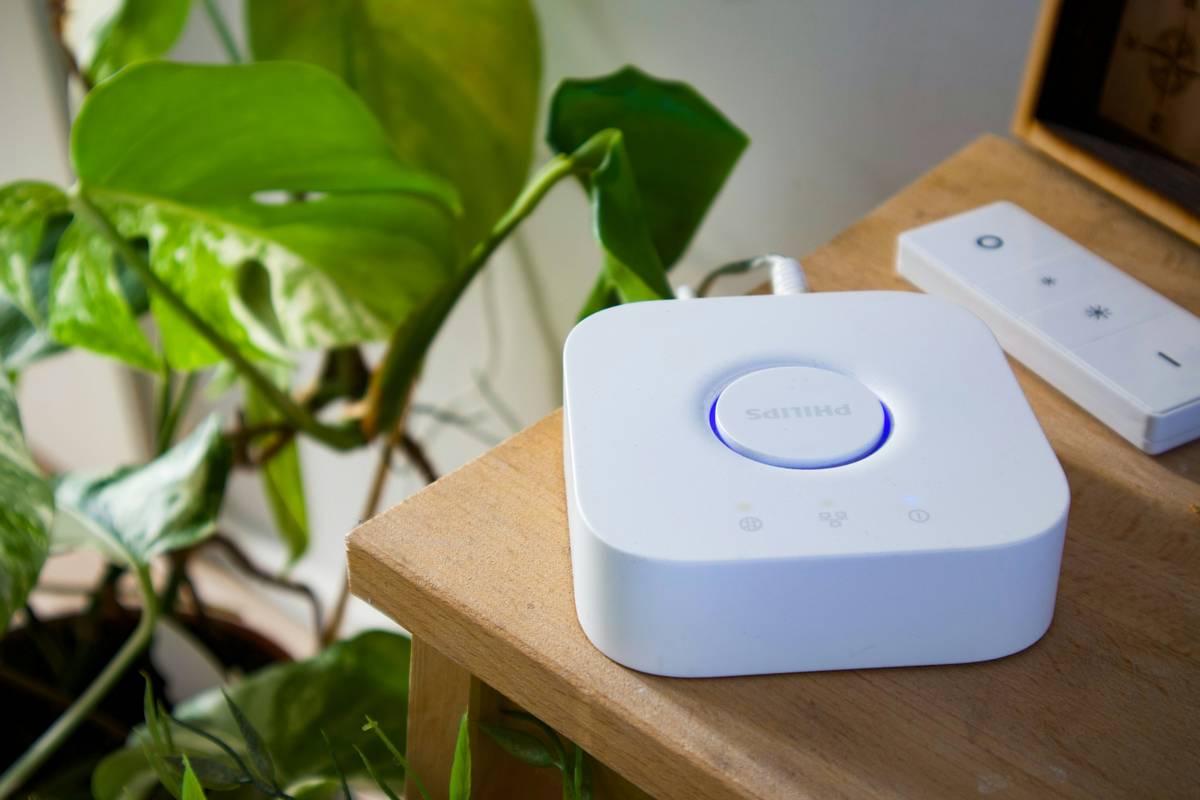
The Industry Secret: Smart Speakers Are Just Ears—Your Hub Is the Brain
Veterans in smart home integration don’t obsess over speaker sound quality. They care about the hub behind it. Amazon Echo? Just a microphone shell. The real work happens in systems like Home Assistant or Hubitat—where motion sensors, door contacts, and even calendar events feed logic engines. One pro trick: use your phone’s geofence + smart plugs to simulate presence when traveling. Burglars see lights cycling naturally—not a static “vacation mode” that screams “nobody home.” That’s the gap between gimmickry and genuine intelligence.
Frequently Asked Questions
Can I be a smart speaker user without owning a speaker?
Absolutely. Use your smartphone as the voice interface paired with a local hub like Home Assistant. The speaker is optional—the intelligence lives in the rules you build.
Does “how to be a smart speaker” mean acting like one?
No. It means configuring your environment so your devices behave intelligently—anticipating needs, not waiting for commands. You’re the architect, not the actor.
Are premium speakers worth it for true smarts?
Rarely. Mid-tier speakers (like Echo Dot Gen 5) work fine. Spend budget on sensors and hubs instead. Brains beat speakers every time.